
How Recycling Works in Switzerland
Recycling Made Easy
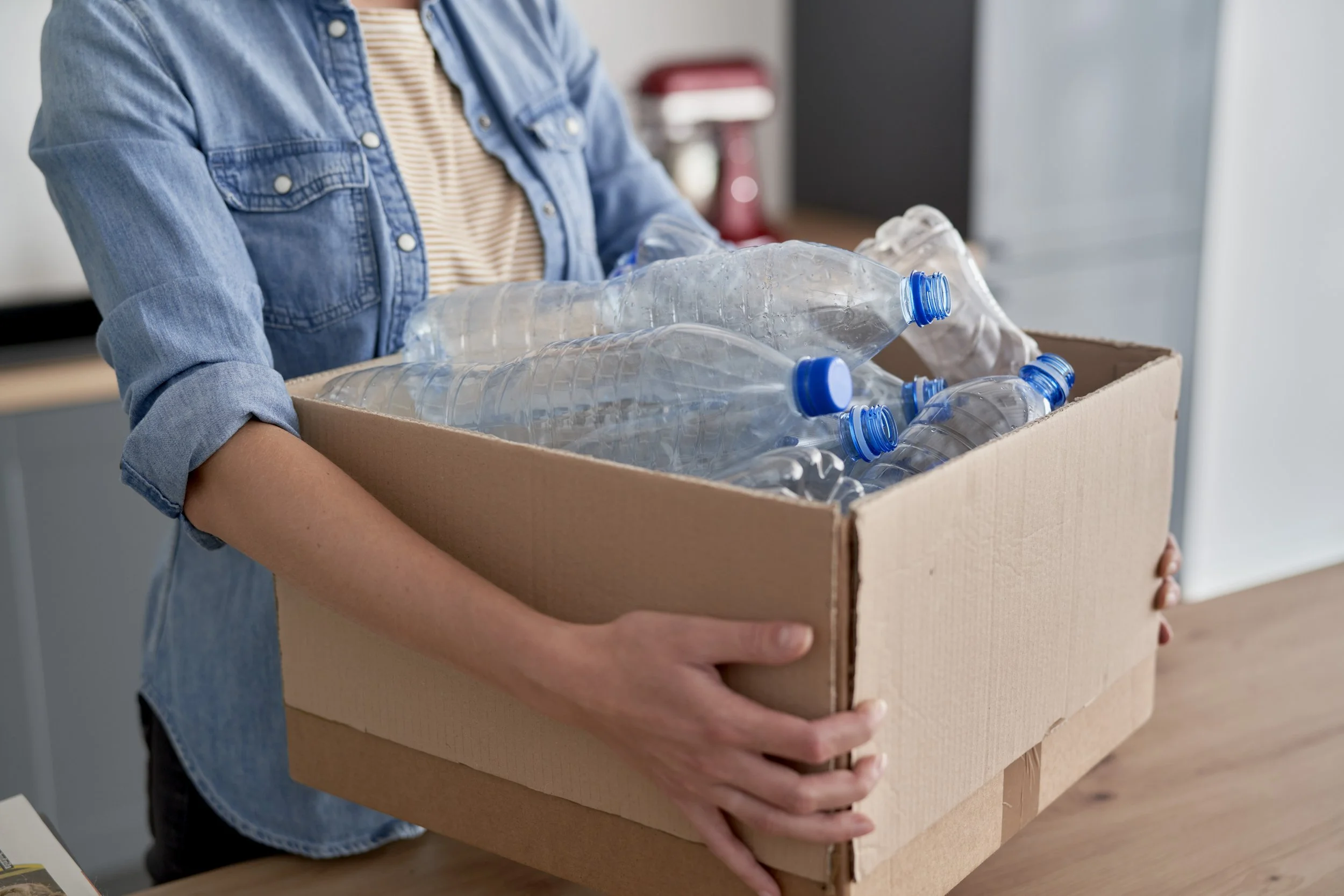
Moving to a new country means getting used to new customs, new rules, and sometimes even new ways of taking out the rubbish. If you've recently arrived in Zug, you may have noticed that recycling in Switzerland is taken very seriously. What might seem complicated at first is actually a well-organised system designed to reduce waste and protect the environment. The good news? Once you understand the basics, recycling in Switzerland becomes second nature.
Here's everything you need to know to recycle like a local.
1. Household Waste Isn't Free
One of the biggest surprises for many expats is that household rubbish is not included in local taxes. Instead, you must purchase official rubbish bags, often called "taxed bags." The cost of waste disposal is included in the price of these bags.
Good to know: Using the wrong rubbish bags can result in fines, so always make sure you're using the official bags for your municipality.
2. PET Bottles Have Their Own Collection Points
Switzerland has a dedicated recycling system for PET beverage bottles. You'll find collection bins at most supermarkets, making it easy to recycle water, soft drink, and juice bottles. Examples include:
• Water bottles
• Soft drink bottles
• Juice bottles
Good to know: Not all plastic packaging belongs in the PET collection. Shampoo bottles, yoghurt pots, and plastic trays usually need to be disposed of differently.
Unlike in many countries, glass recycling in Switzerland is usually separated by colour.Most collection points have different containers for:
• Clear glass
• Brown glass
• Green glass
Good to know: Removing lids and caps before recycling is recommended.
3. Glass Must Be Sorted by Colour
4. Paper and Cardboard are Collected Separately
Paper and cardboard are both recycled, but they usually need to be separated.
Common recyclable paper items include:
• Newspapers
• Magazines
• Office paper
Cardboard includes:
• Delivery boxes
• Packaging materials
• Cereal boxes
Good to know: Recycling rules and collection schedules can vary depending on where you live. Visit our Community Pages for municipality-specific information, local resources, and helpful links to recycling services.
Most neighbourhood recycling stations have a dedicated collection container for metal packaging.
This typically includes:
• Aluminium cans
• Food tins
• Aluminium trays
• Other small metal packaging
Good to know: Most recycling stations collect aluminium and tin cans in the same container. A quick rinse before recycling is always appreciated.
5. Aluminium and Tin Can Be Recycled
6. Batteries Should Never Go in the Bin
Batteries contain materials that can be harmful to the environment and should always be recycled separately. Fortunately, it's easy. Most supermarkets accept used batteries free of charge.
7. Organic Waste May Be Collected Separately
Depending on where you live, food scraps and garden waste may be collected separately from household rubbish.
This can include:
• Fruit and vegetable peels
• Coffee grounds
• Garden cuttings
Check your municipality's website to see what services are available in your area.
8. When in Doubt, Ask
Every Swiss municipality has slightly different recycling rules. If you're unsure where an item belongs, check your local council's website or ask a neighbour. Most people are happy to help, and chances are they've had the same question before.
The Good News
At first, Switzerland's recycling system may seem a little complicated, but don't worry, every newcomer feels that way.
Once you've learned the basics and found your nearest recycling station, it quickly becomes part of your everyday routine. Recycling is an important part of life in Switzerland, and by following the local system, you're helping to protect the environment while embracing a small but meaningful part of Swiss culture.
If you're ever unsure, your municipality's website or a friendly neighbour can always point you in the right direction. Before long, you'll be recycling like a local.